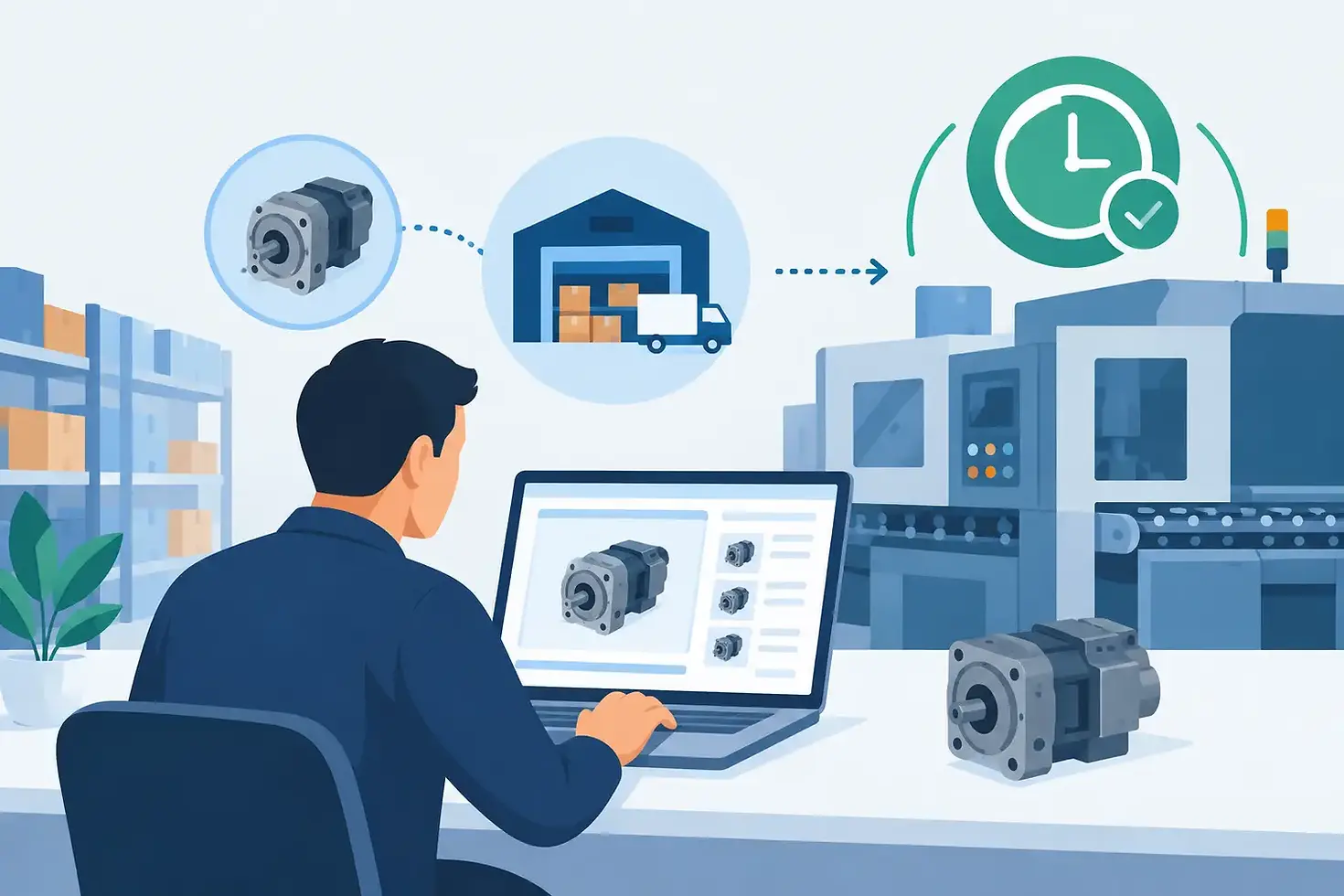
How to Source Obsolete Parts Without Downtime

A failed controller, hydraulic valve, gear set, or engine component can stop a crew faster than a major breakdown. The hard part is often not making the repair - it is finding the exact component after the original manufacturer has discontinued it. Knowing how to source obsolete parts gives maintenance teams, contractors, fleet operators, and property managers a better chance of getting equipment back in service without creating a second failure.
The goal is not simply to find something that looks close. It is to identify the correct part, confirm it will perform safely in the application, and secure it through a source that can stand behind what it provides. That takes a methodical approach, especially when every day of downtime affects schedules, labor, and customer commitments.
Start With the Complete Part Identity
An obsolete part search can go sideways before it begins when the request contains only a general description. “Need a pump for a 2008 machine” is not enough information for a supplier to verify a match. A component may have several versions within the same equipment model, and a small difference in voltage, fitting size, firmware, material, or mounting pattern can make the replacement unusable.
Gather the original manufacturer part number first. Then collect the equipment make, model, serial number, year, engine or system details, and clear photos of the failed component from multiple angles. Include label photos, connector views, casting numbers, hose or port locations, and measurements when markings are damaged or missing.
It also helps to document why the part failed. If a bearing failed because of contamination, replacing the bearing without addressing the seal, lubrication issue, or damaged housing may only buy a short amount of operating time. A good parts search supports the repair as a whole, not just the immediate replacement.
Check for Superseded Numbers
A discontinued number does not always mean the part is unavailable. Manufacturers sometimes replace an older number with a revised version, a service kit, or a compatible assembly. Cross-reference records, old service manuals, maintenance logs, and equipment bulletins can reveal those changes.
Be careful with automatic cross-references. They are useful starting points, but they do not replace verification. A listed substitute may fit physically while failing to meet the pressure rating, electrical specification, load requirement, or environmental conditions of the original application.
Use More Than One Sourcing Path
The most reliable answer is not always a new old-stock part. It depends on the equipment’s role, the required service life, safety exposure, and how quickly operations need to resume. A low-risk cover, bracket, or trim item may be a good candidate for fabrication. A critical brake, steering, lifting, fuel, or electrical safety component calls for much tighter controls.
Common sourcing paths include original surplus inventory, authorized distribution channels with older stock, industrial and equipment dismantlers, professionally remanufactured parts, repairable cores, and custom fabrication. Each option has a place.
New old stock can be valuable because it is an original component that was never installed. Still, age matters. Rubber seals, adhesives, electronics, and coatings can degrade on the shelf, especially when storage conditions are unknown. Ask how the item was stored and whether it has been inspected or tested.
Used components may be practical for noncritical assemblies or equipment near the end of its working life. The trade-off is uncertainty. Request detailed photographs, operating history if available, condition notes, and a clear return process before committing.
Remanufactured parts can be a strong option when the rebuilder has defined inspection and test procedures. The best candidates are components with established rebuild standards, such as starters, alternators, hydraulic pumps, transmissions, cylinders, and certain engines. Confirm exactly what was replaced, machined, tested, and warranted. “Rebuilt” can mean very different things from one source to another.
How to Source Obsolete Parts Safely
A part that arrives quickly but is wrong, damaged, counterfeit, or untested can extend downtime instead of reducing it. Before approving a source, ask direct questions about traceability, condition, inspection, testing, lead time, and return terms. A dependable supplier should be able to explain what they have, how they identified it, and what happens if it does not match the order.
For electrical and electronic components, verify the full label number, revision level, connector configuration, and programming requirements. A controller can share a housing and still be incompatible with the machine. For hydraulic and pneumatic parts, confirm pressure range, flow, port type, seal material, mounting arrangement, and fluid compatibility. For mechanical components, check dimensions, tooth count, spline details, rotation, load rating, and material requirements.
Never rely on a photo alone for a mission-critical item. Photos can help rule out obvious mismatches, but they rarely prove the specifications that matter most. Written confirmation tied to the part number and application is far more useful when a repair decision has to be defended later.
Watch for Counterfeits and Poor Storage
Hard-to-find components create opportunities for questionable sellers. Warning signs include vague descriptions, stock images only, pressure to pay outside normal business channels, missing labels, altered serial markings, or promises that a part fits “everything.” Be especially cautious with safety-related parts, electronic modules, bearings, seals, and branded components where counterfeiting is common.
Inspect received parts before installation. Compare the label, dimensions, connectors, threads, and mounting points to the old component and the work order. Look for corrosion, cracks, bent terminals, damaged packaging, moisture exposure, or signs that a supposedly new part was previously installed.
Know When Repair or Fabrication Makes More Sense
Not every obsolete part needs to be found intact. In many cases, repairing or fabricating the component is the faster and more practical path. A worn shaft can sometimes be rebuilt. A hydraulic cylinder may be repaired with new seals, a rod, or a custom-machined component. Brackets, guards, panels, mounts, bushings, adapters, and simple structural pieces can often be fabricated when dimensions and material requirements are known.
That does not mean fabrication is a shortcut. The replacement has to meet the application’s load, wear, heat, corrosion, clearance, and safety demands. A fabricated guard is not the same type of decision as a fabricated lifting component. Where failure could injure someone, damage equipment, or violate a regulatory requirement, use qualified engineering and proper documentation.
For electrical boards, proprietary controllers, and specialized assemblies, repair may involve diagnostics at the component level. This can be worthwhile when a replacement is unavailable, but success depends on the unit’s condition, available schematics, and the ability to test it under real operating conditions.
Build a Downtime Plan Before the Next Failure
The best obsolete-parts strategy starts before equipment goes down. Review maintenance records to identify components with long lead times, repeated failures, or discontinued status. For equipment that is central to daily work, keep accurate parts lists and photos in the maintenance file. Include alternate part numbers, preferred repair sources, and notes from past successful repairs.
Consider holding critical spares when a single failure can sideline a truck, machine, production line, or essential facility system. The right spare is not always the most expensive component. Often it is the small, uncommon item that cannot be replaced locally on short notice - a sensor, relay, hose assembly, seal kit, control switch, or fitting.
A practical stock review should consider four questions:
What equipment creates the greatest operational impact when it stops?
Which parts have long or unpredictable lead times?
Which components have a known failure pattern?
Can the item be stored without degrading or becoming obsolete itself?
Keep the records current after every repair. When a verified cross-reference, repair method, or fabrication drawing works, capture it while the information is fresh. That turns one difficult breakdown into a faster response the next time.
Bring in Support When the Search Is Stalling
A stalled parts search can consume hours of maintenance time with no guarantee of a usable result. When the part affects a critical operation, it may be more efficient to work with a service partner that can coordinate sourcing, field repair, fabrication, hauling, and logistics as needed. ACG Solutions USA helps customers keep work moving by focusing on practical answers rather than sending them to manage several disconnected vendors.
The strongest results come from sharing complete equipment details early, being clear about the application, and stating the actual deadline. There is a difference between needing a component tomorrow and needing a verified component that will run reliably for the next several years. That distinction guides whether the right answer is surplus inventory, remanufacturing, repair, fabrication, or a planned equipment update.
When an obsolete part brings work to a stop, slow down just enough to verify the match. A careful first call, complete documentation, and the right repair path can turn a hard-to-find item from a shutdown into a manageable maintenance job.



Comments